120 film is making a big comeback. More photographers pick up medium format cameras every year. Are you new to film photography? Are you switching from 35mm? This guide covers everything about 120 film.
We cover what 120 film is. We cover how many shots you get. We cover the best 120 film cameras. We also cover top film stocks like Kodak. And we compare 120 film to 35mm and 220 film. Let’s start.
What Is 120 Film?
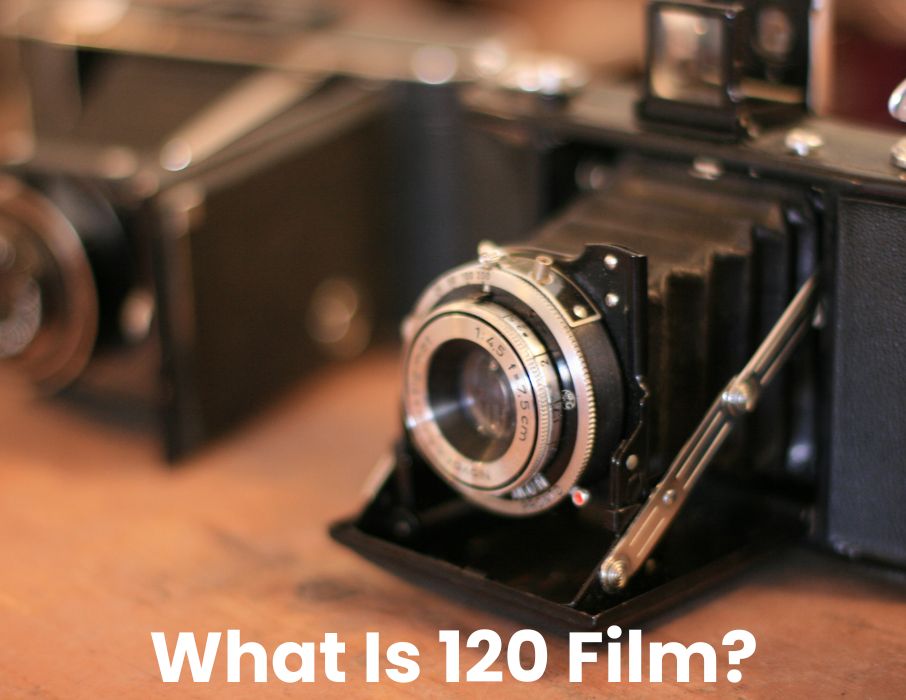
120 film is a roll film. It is used in medium format cameras. Kodak first made it in 1901. It is still one of the most popular film formats today.
35mm film comes in a plastic canister. 120 film does not. It comes wrapped in backing paper on a spool. This paper blocks light. It also shows frame numbers through a small window on the camera.
120 film makes a bigger negative than 35mm. This means sharper images. It means better detail. It means smoother tones. Photographers pick it for portraits. They pick it for landscapes. They pick it for fine art work.
How Many 120 Film Shots Do You Get Per Roll?
The number of 120 film shots depends on your camera. Here is a quick list:
- 6×4.5 cm (645): 15 to 16 shots per roll
- 6×6 cm (square format): 12 shots per roll
- 6×7 cm: 10 shots per roll
- 6×9 cm: 8 shots per roll
Square format (6×6) is the most common size. Cameras like the Hasselblad use this size. So does the Yashica-Mat.
Curious about capturing stunning black and white shots on film? Check out our detailed guide on 35mm Film Black and White to find the best options for your photography.
Best 120 Film Cameras
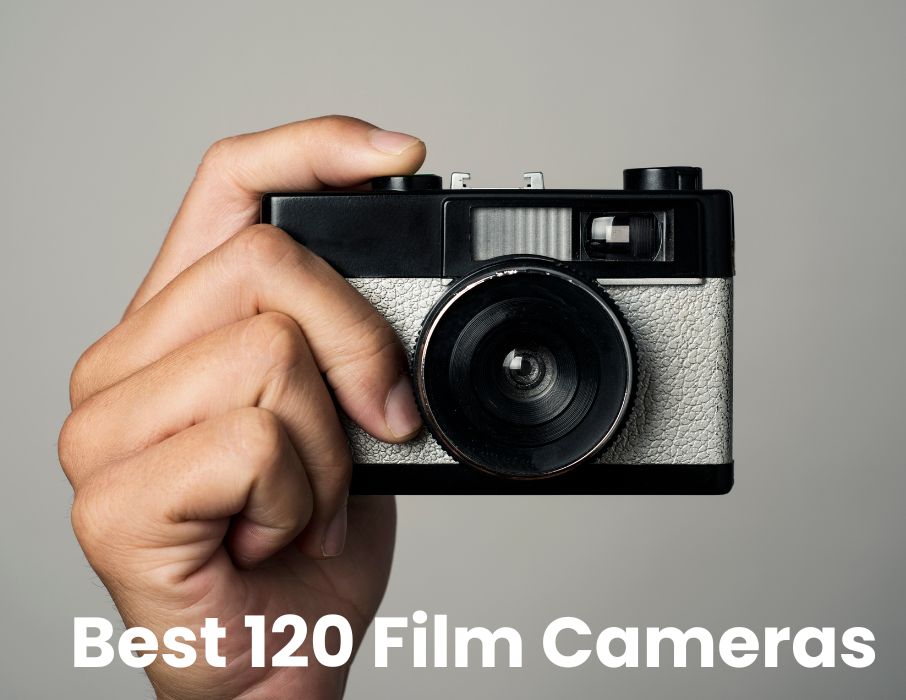
The right 120 film camera matters as much as the film itself. Here are some top picks.
Twin Lens Reflex (TLR) Cameras
TLR cameras are easy to load. The Yashica-Mat 124G is one option. The Rolleiflex is another. Both are great for beginners. They use two lenses. One lens is for viewing. One lens is for shooting.
Medium Format SLRs
The Pentax 645 is a popular 120 film camera. So is the Mamiya RB67. Both have interchangeable lenses. They work like a large 35mm SLR. But they use a bigger negative.
Rangefinder Cameras
The Mamiya 7 is a favorite pick. Street photographers love it. Travel photographers love it too. It is compact. It gives sharp results.
Toy and Lo-Fi Cameras
The Holga is cheap and fun. So is the Diana F+. Both are 120 format film cameras. They give dreamy, unpredictable results. They are a fun way to start.
Shopping for a used 120 film camera? Check the light seals first. Check the shutter speeds too.
Kodak 120 Film: Top Choices
Kodak 120 film is known for its color accuracy. It is also known for its reliability. Here are the top picks:
- Kodak Portra 400 – Best for portraits and skin tones
- Kodak Ektar 100 – Vivid color, fine grain, great for landscapes
- Kodak Gold 200 – Warm, nostalgic tones at a lower price
- Kodak Tri-X 400 – A classic black and white film stock
Portra and Ektar are pro-level films. Kodak Gold costs less. It suits hobbyists well.
Curious about one of the most loved film stocks among photographers? Dive into our full Portra 800 Review to see if it’s the right film stock for you.
CineStill vs Kodak Gold 120 Film
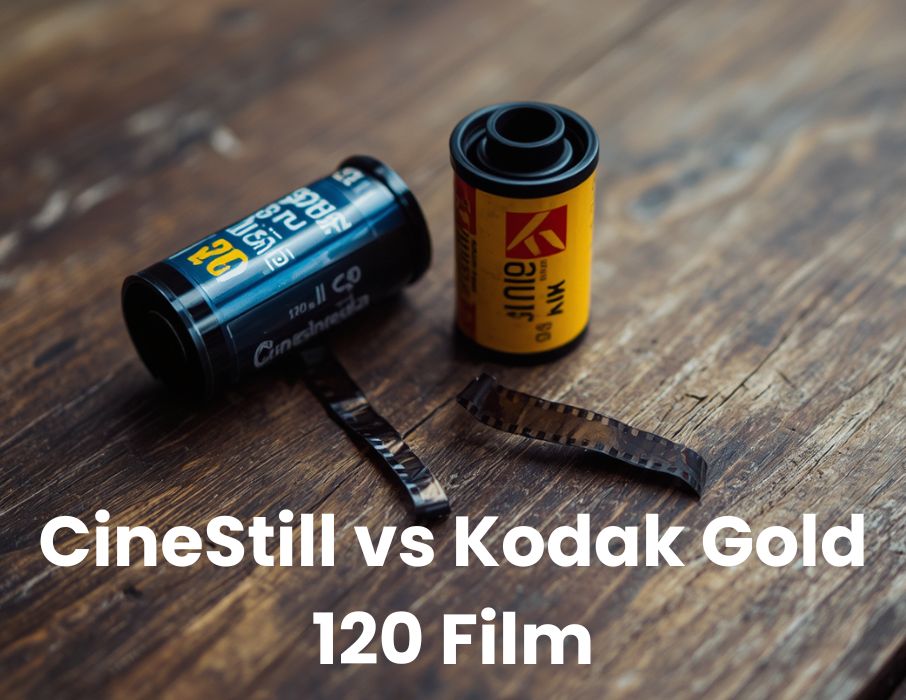
Many photographers compare CineStill to Kodak Gold. CineStill film comes from movie film stock. It has a glow around bright lights. This is called halation. It gives images a cinematic look.
Kodak Gold gives warmer, classic tones. It has no halation effect. Want a moody, film-look style? Choose CineStill. Want clean, natural colors? Choose Kodak Gold.
120 Black and White Film Options
Black and white 120 film has high contrast. It also has a timeless look. Top picks include:
- Ilford HP5 Plus – Versatile in different lighting
- Kodak Tri-X 400 – Classic grain, loved by documentary shooters
- Ilford Delta 100 – Fine grain, great for studio and landscape work
Black and white film is a good start for beginners. It forgives exposure mistakes better than color film.
What Is 120 Format Roll Film?
120 format roll film is the film format itself. It is not one brand. It comes on a spool. Backing paper wraps around it to block light. You load it by hand into a 120 roll film camera.
120 film has no canister. So you must load it in low light. You must unload it in low light too. This stops light from hitting the edges. Most photographers learn this fast.
Curious about how disposable cameras actually capture your photos? Check out our detailed guide on How Does a Disposable Camera Work? to understand the science behind it.
120 Film vs 35mm: What’s the Difference?
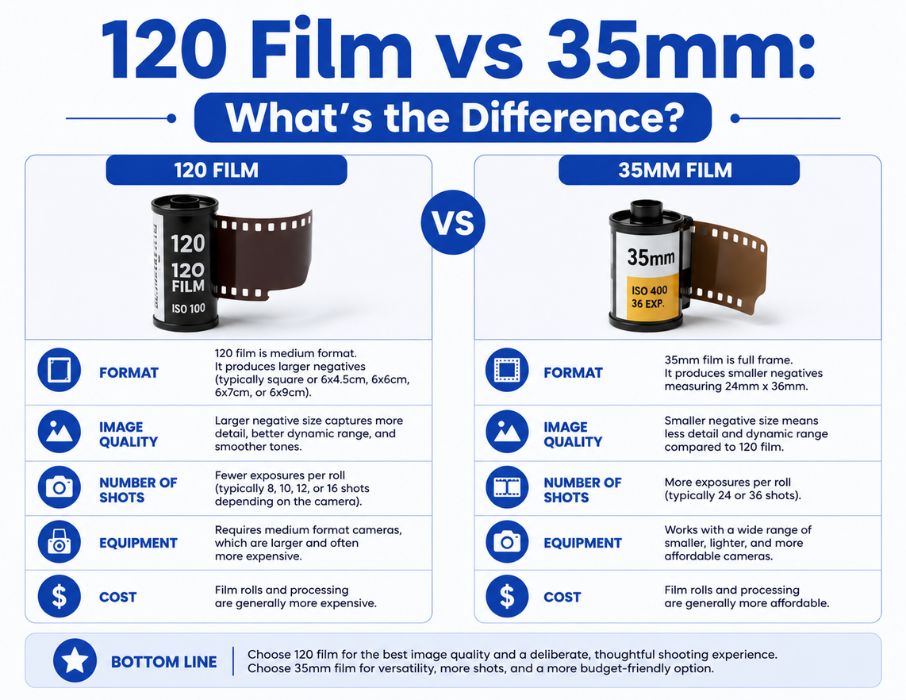
New film photographers ask this a lot. Here is a simple comparison:
| Feature | 120 Film | 35mm Film |
|---|---|---|
| Negative Size | Larger (6×6 cm and up) | Smaller (24x36mm) |
| Shots Per Roll | 8 to 16 | 24 or 36 |
| Detail & Sharpness | Higher | Lower |
| Camera Cost | Often higher | Often lower |
| Portability | Bulkier | Compact |
120 film gives better image quality. Its negative is bigger. But 35mm cameras are lighter. They cost less too. They are easier to carry. Many photographers use both.
120 vs 220 Film: Key Differences
220 film looks like 120 film. But it has less backing paper. Paper only covers the start and end. This means a 220 roll holds twice as many shots.
220 film is now rare. Most brands stopped making it. Most modern cameras use 120 film only. This makes 120 the standard choice today.
A Quick Note on Instant Film
Did you search for “Fujifilm Instax Mini Instant Film Value Pack – 120 Photos”? This is not 120 roll film. Here, “120” means the number of photos in the pack. It does not mean the film format. Instax Mini film only works in Instax cameras. It does not work in medium format 120 film cameras.
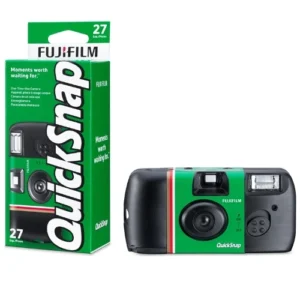
Curious about one of the most popular film cameras out there? Dive into our full review of the Fujifilm Disposable Camera to see if it’s the right pick for you.
Final Thoughts
120 film offers great image quality. It gives a real, hands-on shooting feel. It gives you creative control too. Digital cameras cannot fully copy this.
Want to start? Try a simple TLR or Holga camera. Pair it with Kodak Gold or Ilford HP5. This is an easy, low-cost way to learn. As you grow, try pro films like Portra and Ektar. Or invest in a Mamiya or Hasselblad system for top quality.
120 film is not just surviving in 2026. It is thriving. A new wave of photographers is rediscovering film. And 120 film is leading the way.
FAQs
1. What is 120 film used for?
120 film is used in medium format cameras. Photographers use it for portraits, landscapes, and fine art work. It gives sharper detail than 35mm film.
2. How many photos can you take on a roll of 120 film?
It depends on your camera’s frame size. You get 8 to 16 shots per roll. Square format (6×6) cameras give 12 shots per roll.
3. Is 120 film better than 35mm?
120 film gives a bigger negative. This means more detail and sharper images. But 35mm cameras are smaller and cheaper. The best choice depends on your needs.
4. Can you still buy 120 film in 2026?
Yes. Kodak, Ilford, and CineStill all still make 120 film. You can buy it at camera stores or online.
5. What is the difference between 120 and 220 film?
220 film holds twice as many shots as 120 film. But 220 film is now very rare. Most cameras and film stocks today use 120 film only.