A 35mm film camera is not just old technology. It teaches you how to see light. It teaches you how to frame a moment. It teaches you to slow down before you press the shutter. Digital photos are instant. Film photography is different. It has made a real comeback. People love it again. Photographers, students, and hobbyists all use it. 35mm is still the most popular film format. There is a good reason for that.
This guide covers the basics. You will learn how 35mm cameras work. You will learn the best types to buy. You will learn key camera brands. You will learn which film to choose. You will get simple tips for sharp photos. These tips work even on your very first roll.
What Is a 35mm Film Camera?
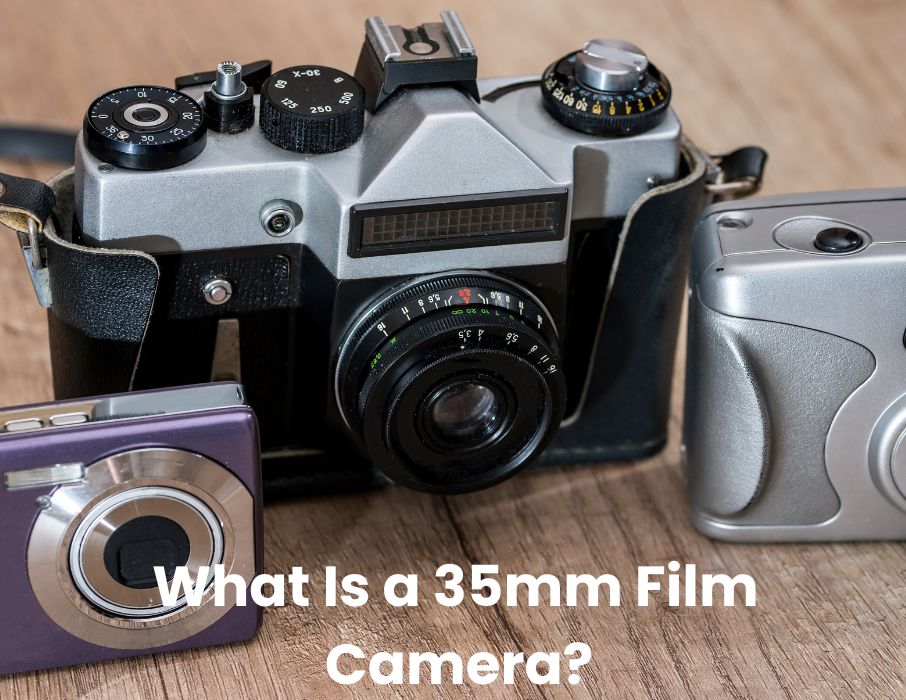
A 35mm film camera uses 35 millimeter film. This film is a strip of light-sensitive material. It sits inside a small canister. This size became the standard long ago. It is still the most common film size today. Each roll usually holds 24 or 36 photos. You get 24 to 36 shots per roll. Then you must reload.
Digital cameras show you the photo right away. Film cameras do not. You compose the shot. You set the exposure. You capture the image on film. Then you wait. The photo appears only after the roll is developed. You can develop it at home. Or you can send it to a photo lab. This wait is part of the fun. It makes you slow down. It makes you think before you shoot.
Main Types of 35mm Film Cameras
There are a few main types. Each one fits a different style of shooting.
SLR Cameras
SLR stands for Single Lens Reflex. This is the top pick for beginners. It uses a mirror and a prism. What you see is what you get. Classic models include the Canon AE-1. The Nikon FM2 is another great pick. So is the Pentax K1000. These cameras are tough. They last for decades. You control the aperture. You control the shutter speed. You control the focus. This makes SLRs great for learning photography.
Rangefinder Cameras
Rangefinders use a separate viewfinder window. They do not use a mirror. The Leica M series is the most famous example. These cameras are quiet. They are small. Street photographers love them. You focus by hand. It takes practice. But it pays off once you learn it.
Curious about medium format photography and the film that powers it? Check out our detailed guide on 120 Film to find everything you need to know.
Point-and-Shoot Cameras
These cameras are small and easy to use. They set the focus for you. They set the exposure for you. The Olympus Mju is a popular choice. So is the Canon Sure Shot. These are great for total beginners.
Disposable Cameras
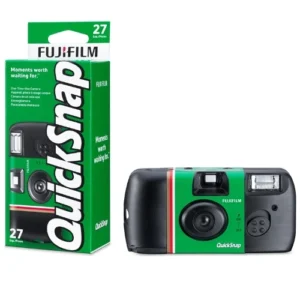
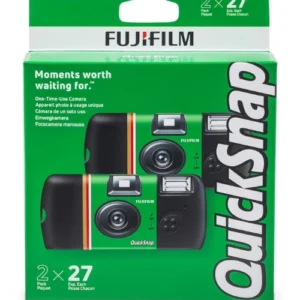
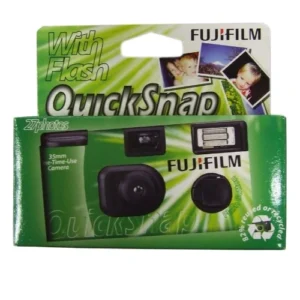
These cameras are cheap. You use them once and throw them away. They are perfect for parties. They are great for trips. You get no manual control. But you get that classic film look.
Why Photographers Still Choose Film Today
Film has a special look. Digital sensors cannot fully copy it. Film grain looks different. Film colors look different. Many photographers love this. The process is also special. Each roll has limited shots. So every shot matters more. You think harder before you press the button.
Film also teaches real skills. You learn aperture. You learn shutter speed. You learn ISO. There is no live preview to help you. So you must understand the basics. This builds strong photography skills fast.
Choosing the Right Film Stock
Your film choice matters as much as your camera. Different films give different looks.
- Kodak Portra 400: Soft, natural skin tones. Great for portraits.
- Kodak Ektar 100: Bold, bright colors. Great for landscapes.
- Fujifilm Superia: Cheap and easy to use. Good for everyday shots.
- Ilford HP5 Plus: A classic black-and-white film. Great for street photos.
- Cinestill 800T: Made for night shots. It gives a cool glow around lights.
ISO also matters. Low ISO film (100 to 200) works best in bright light. High ISO film (400 to 800) works best indoors or at night.
Curious about capturing stunning black and white shots on film? Check out our detailed guide on 35mm Film Black and White to find the best options for your photography.
Tips for Buying Your First 35mm Camera
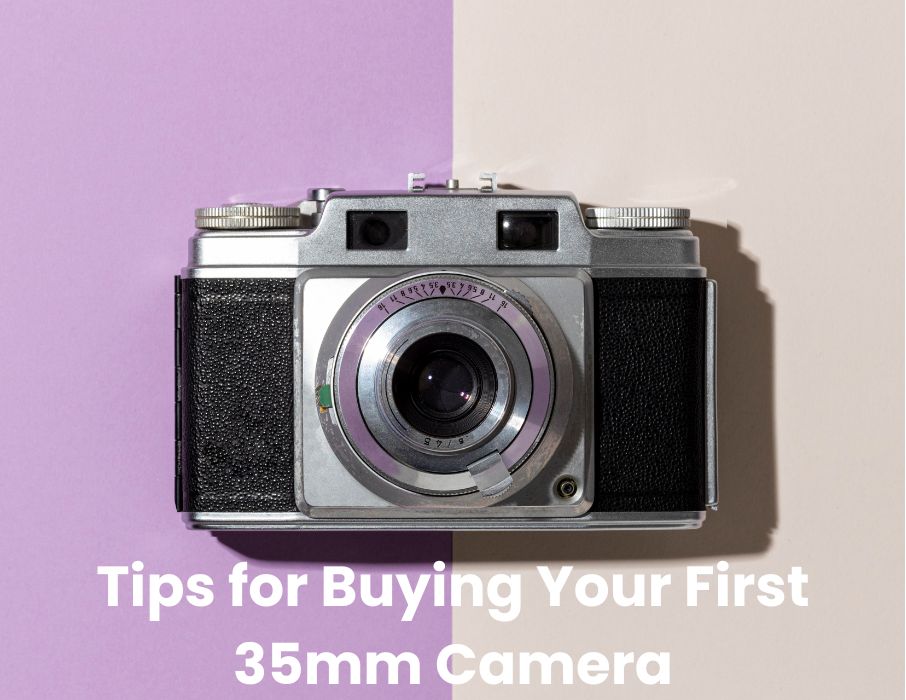
- Start with a manual SLR. The Pentax K1000 and Canon AE-1 are great choices. They are simple. They are reliable.
- Check the light seals. Old foam seals can wear out. This causes light leaks. Ask the seller about this first.
- Buy from a trusted seller. Look for vintage camera shops. Look for verified online sellers.
- Use a light meter app. Many old cameras have no built-in meter. A phone app can help you set the right exposure.
- Plan for film costs. Film and developing cost money. Every roll adds up. Plan your budget for this hobby.
How to Load and Shoot Your First Roll
Loading film takes a few steps. Open the back of the camera. Put in the film canister. Pull the film leader to the take-up spool. Turn the advance lever until it catches. Close the back. Advance the film two or three more times. Now you are on the first real frame.
Keep these basics in mind when you shoot:
- Aperture controls how much light comes in. It also changes your depth of field.
- Shutter speed controls motion blur. It also controls how long light hits the film.
- ISO is fixed for the whole roll. It depends on the film you loaded.
These three settings work together. This is called the exposure triangle. Get the balance right, and your photo comes out clear.
Where to Develop 35mm Film
Most pharmacies no longer develop film. But photo labs still do. Camera stores often offer this service too. Mail-in labs are easy to use as well. Many labs scan your film into digital files. You get prints and digital copies together. You can also develop black-and-white film at home. You just need basic chemicals. You also need a changing bag. This gives you full control over your photos.
Curious about one of the most loved film stocks among photographers? Dive into our full Portra 800 Review to see if it’s the right film stock for you.
Final Thoughts
A 35mm film camera brings craft and creativity together. It also brings a bit of nostalgia. Digital cameras cannot fully copy this feeling. You might pick a tough manual SLR. You might pick a small rangefinder. You might pick a simple point-and-shoot. Any choice rewards patience. Film teaches you to see light. It teaches you to frame a shot with care.
If you are new to this, start simple. Get an affordable manual SLR. Load an easy film like Kodak Portra 400. Fujifilm Superia works well too. Shoot a few rolls. Learn how light affects your photos. Then explore more. Try a rangefinder. Try new film stocks. Try developing film at home.
Frequently Asked Questions
Is a 35mm film camera good for beginners?
Yes. A manual SLR like the Pentax K1000 is a great start. It teaches you exposure. It teaches you aperture and shutter speed. You learn without relying on auto settings.
How many photos can you take on a 35mm film roll?
Most rolls hold 24 or 36 photos. The number depends on the brand. Once the roll is full, you rewind it. Then you take it out for developing.
Do camera stores still develop 35mm film?
Yes, many still do. Local camera shops offer this service. Photo labs offer it too. Mail-in labs are also common. Many of them scan your negatives into digital files.
What is the best film stock for beginners?
Kodak Portra 400 is a great choice. Fujifilm Superia works well too. Both are easy to shoot. They forgive small exposure mistakes. They also give natural colors in most light.
Can you still buy new 35mm film cameras?
Yes, a few brands still make new film cameras. But most people buy used ones. Vintage and refurbished cameras are common. They are also cheaper. Many still work great for years.