35mm film black and white is making a comeback. Street photographers love it. Fine art shooters love it too. People want the grain. They want the contrast. Digital filters still can’t fake that look.
Are you loading your first roll? Or are you a darkroom veteran? Either way, this guide is for you. We cover what black and white film is. We cover how to pick the right stock. We cover how to get the best shots.
What Is 35mm Black and White Film?
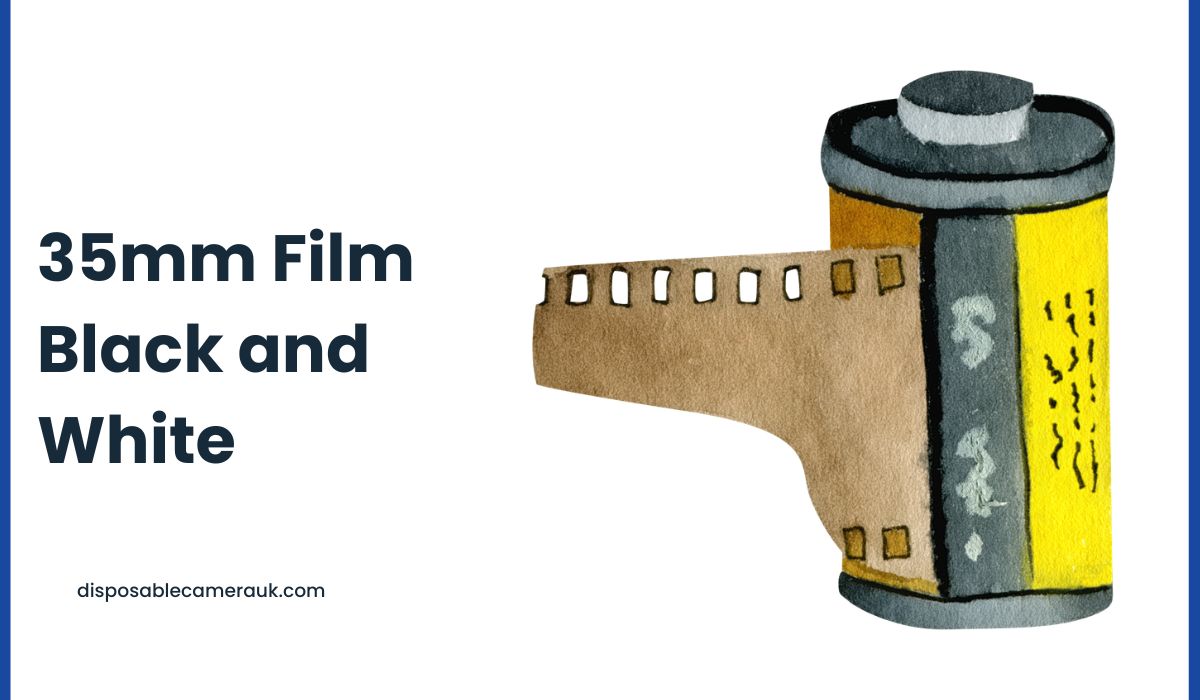
35mm refers to the width of the film strip. It’s the same format used in classic cameras. Think Nikon FM2. Think Canon AE-1. Think Leica M6. Black and white film uses silver halide crystals. Color film uses dye layers instead. That’s why black and white film gives you that grayscale look. It also gives you rich grain.
Color film relies on color to tell a story. Black and white film relies on light and shadow. It relies on contrast. This makes it great for portraits. It’s great for documentary work. It’s great for street photography. Mood and texture matter more than color here.
Why Photographers Still Choose Black and White Film
Digital cameras are everywhere now. But film still has a place. Here’s why:
- Tonal range. Film handles light and dark areas in a natural way.
- Grain. It’s not a flaw. It’s part of the look. It adds texture.
- Exposure latitude. Black and white film forgives mistakes. You can be off on exposure and still get a good shot.
- Timeless style. Film doesn’t look dated the way digital trends do.
- Full control. You can develop and print it at home. You control the contrast. You control the tone.
Curious about one of the most loved film stocks among photographers? Dive into our full guide on Portra 800 to see if it’s the right pick for you.
Popular 35mm Black and White Film Stocks
New to film? Start with these:
- Kodak Tri-X 400. Bold contrast. Classic grain. Great for photojournalism.
- Ilford HP5 Plus. Flexible. Forgiving. Works well in low light.
- Kodak T-Max 100. Fine grain. Sharp detail. Good for landscapes.
- Ilford Delta 3200. Built for the dark. Gritty look. High ISO.
- Fomapan 400. Cheap. Reliable. Has a vintage feel.
Each stock reacts to light in its own way. Try a few rolls. Find what fits your style.
Tips for Shooting 35mm Black and White Film
Want better results? Follow these tips:
- Meter for shadows. Black and white film holds shadow detail well. Protect the dark areas first.
- Use filters. A yellow or orange filter boosts sky contrast. It separates tones.
- Know your ISO. High ISO film (400 to 3200) works in low light. But it shows more grain. Low ISO film (100) gives finer detail.
- Develop with care. Time and temperature change your contrast. They change your grain too.
- Scan with intention. How you scan can make or break your final image.
Curious about how disposable cameras actually capture your photos? Check out our detailed guide on How Does a Disposable Camera Work? to understand the science behind it.
Developing and Scanning Black and White Film
Black and white film is easy to develop at home. You just need basic chemicals. D-76 works. Rodinal works too. So does Ilfosol. Many labs also process black and white rolls.
After developing, you can scan your negatives. Use a flatbed scanner. Or use a dedicated film scanner. Then fine-tune the image. Adjust contrast. Remove dust. Shape the grain.
Conclusion
35mm film black and white is still one of the best formats out there. It’s simple. It’s timeless. Tri-X gives you grit. T-Max gives you smooth tones. HP5 gives you flexibility. Pick the stock that fits your vision.
Learn the exposure. Learn the development process. Then experiment. Black and white film isn’t just nostalgia. It’s a real creative tool.
FAQs
Is 35mm black and white film still being produced?
Yes. Kodak still makes it. Ilford still makes it. So does Fomapan. Film demand is growing again.
What ISO is best for 35mm black and white film?
It depends on light. Use ISO 100 to 200 for bright days. Use ISO 400 for most situations. Use ISO 800 to 3200 for low light or night shots.
Can I develop 35mm black and white film at home?
es. It’s one of the easiest formats to develop. You need basic chemicals. You need a tank. You need good timing and temperature control.
What’s the difference between black and white film and color film?
Black and white film captures light only. Color film captures red, green, and blue light. Black and white film also has wider exposure latitude.
Which camera works best with 35mm black and white film?
Any 35mm camera works. A Pentax K1000 works. A Canon AE-1 Program works too. The film stock matters more than the camera body.